

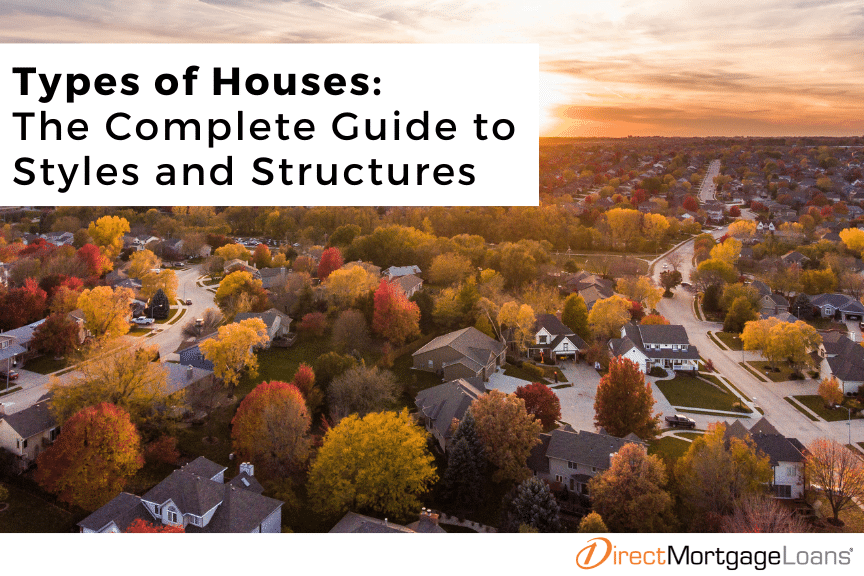
Types of Houses: The Complete Guide to Styles and Structures


Buying a home is one of the biggest decisions you’ll ever make, and with so many styles and structures available, it can feel overwhelming to choose the right one. From traditional single-family homes to modern modular builds, each type of house has unique benefits, challenges, and lifestyle considerations. This guide breaks down the most common types of houses and architectural styles so you can better understand your options and find a home that fits your needs.
Subscribe to our blog to receive notifications of posts that interest you!
What are the different types of houses?
When it comes to house hunting, one of the first things you’ll notice is the incredible variety of home types available. Each comes with its own set of benefits and challenges, and understanding these differences can help you make a more informed decision, one that aligns with your lifestyle, financial goals, and long-term plans.
Single Family Home
A single-family home is a stand-alone property built on its own lot. It typically offers more privacy, space, and control over the property compared to other housing options. These homes are often found in suburban neighborhoods and are popular with families who want room to grow.
Pros
- Single-family homes offer privacy since you’re not sharing walls with neighbors.
- They usually include a yard, garage, and extra storage space, which makes them appealing to families and those who enjoy outdoor living.
- You also have full control over design, renovations, and landscaping, so you can truly make the home your own.
Cons
- Single-family homes are generally more expensive than condos or townhomes and often come with higher property taxes.
- All maintenance and repair costs fall on the homeowner, from lawn care to roof repairs.
- With larger square footage, utility bills also tend to be higher compared to smaller housing options.
Condos
Condos are individual units within a larger building or complex. Homeowners own their specific unit but share common areas and amenities with other residents. They’re often found in urban areas and appeal to buyers seeking convenience and amenities without heavy maintenance.
Pros
- Condos are typically more affordable than single-family homes in the same area, making them attractive for first-time buyers.
- They offer a low-maintenance lifestyle since exterior upkeep and landscaping are managed by the condo association.
- Many condos also provide access to amenities like pools, gyms, and shared community spaces, adding lifestyle perks.
Cons
- Monthly HOA fees can add significantly to your housing costs.
- Privacy can be limited due to shared walls and close neighbors.
- Owners have less freedom to make changes to the exterior of their property, as rules are often governed by the homeowners association.
Townhouse
Townhouses are multi-level homes that share one or two walls with neighboring units but typically have their own private entrances and small yards. They provide a balance between single-family homes and condos.
Pros
- Townhouses are usually more affordable than single-family homes while offering more living space than condos.
- Many come with small yards, patios, or balconies, giving residents a touch of outdoor living.
- They often strike a good balance between privacy and community.
Cons
- Shared walls can reduce privacy and increase noise from neighbors.
- Some communities charge HOA fees for upkeep of shared spaces.
- Exterior changes may be restricted depending on the rules set by the development.
Duplex
A duplex is a property divided into two separate living spaces, either side-by-side or stacked. Each unit has its own entrance and utilities, making it appealing for both investors and families.
Pros
- Duplexes can provide rental income if you live in one unit and rent out the other, helping offset mortgage costs.
- They’re more affordable than buying two separate homes and can serve as a good entry point for real estate investors.
- Maintenance costs can also be shared between both units if both owners agree.
Cons
- Privacy is limited compared to a single-family home since you share walls or property features.
- Shared responsibilities for outdoor areas or repairs can sometimes lead to disagreements.
- Duplexes may be harder to sell than traditional single-family homes due to a smaller pool of buyers.
Mobile Home
Mobile homes are factory-built and transported on-site. Often set on leased land, they provide an affordable and flexible housing option.
Pros
- Mobile homes are among the most affordable housing options, making them accessible to many buyers.
- They can be set up quickly and are usually move-in ready.
- When placed on leased land, they often come with lower property taxes.
Cons
- Mobile homes may depreciate in value over time instead of appreciating like traditional homes.
- Financing can be more difficult to secure, and interest rates may be higher.
- Customization options are limited, so buyers may have to compromise on design.
Manufactured Homes
Manufactured homes are similar to mobile homes but built to modern HUD standards and often permanently attached to a foundation. They are more durable and energy-efficient than older mobile homes.
Pros
- Manufactured homes are less expensive than traditional site-built homes while offering modern features.
- Many are built with energy-efficient designs, which can reduce utility bills.
- They can be placed on private land or within manufactured home communities.
Cons
- Depreciation can still be a concern, especially if the home is not on owned land.
- Financing options may be restricted compared to conventional mortgages.
- Purchasing land separately adds to the total cost if you don’t already own property.
Modular Homes
Modular homes are prefabricated in sections at a factory and then assembled on-site. Unlike manufactured homes, they follow the same building codes as traditional homes and are often indistinguishable once built.
Pros
- Modular homes can be built quickly and often at lower cost than site-built homes.
- They offer customization options for layouts and finishes, allowing buyers to tailor the design to their needs.
- Once complete, they appraise and appreciate just like a traditional home.
Cons
- Customization is limited to the floor plans offered by the builder, so flexibility can be less than a fully custom site-built home.
- Financing may require specialized lenders familiar with modular construction.
- Buyers must also factor in land purchase and preparation costs.
What are the different types of houses by architectural style?
Beyond structural types, homes are also categorized by architectural style. These styles influence not only the appearance but also the layout and functionality of the home.
Cape Cod
Known for its steep rooflines, dormer windows, and symmetrical design, Cape Cod homes are charming, compact, and rooted in New England tradition. They are often modest in size and popular with first-time buyers.
Colonial
Colonial homes, dating back to the 1600s, are known for their rectangular shape, centered front door, and evenly spaced windows. Common along the East Coast, they typically span two stories with a formal layout, living spaces on the main floor and bedrooms upstairs. While the overall structure is consistent, subtle differences exist among English, Dutch, Georgian, and Spanish Colonial styles. A grand entryway and central staircase add to their classic, symmetrical charm.
Contemporary
Contemporary homes emphasize clean lines, open layouts, and large windows. They often incorporate sustainable materials and modern design trends. These homes appeal to buyers who value energy efficiency and modern aesthetics.
Federal
Popular in the late 1700s, Federal-style homes include decorative moldings, tall windows, and symmetrical facades. They often appear elegant and historic, especially in older east coast cities.
Craftsman
Craftsman homes highlight hand-crafted woodwork, wide front porches, and exposed beams. They focus on functional design and cozy living, appealing to buyers who appreciate charm and craftsmanship.
Greek Revival
Greek Revival homes are instantly recognizable by their tall, temple-like columns, bold symmetry, and crisp white exteriors, echoing the grandeur of ancient Greek architecture. Emerging in the United States during the 1830s, this style drew inspiration from classical philosophy and design, symbolizing strength and democracy. Commonly found throughout the South and Midwest, these stately homes often feature prominent front entrances and balanced proportions that reflect the influence of iconic structures like the Parthenon.
Farmhouse
Farmhouses emphasize practicality with spacious kitchens, wraparound porches, and open layouts that encourage easy living and gathering. Modern versions blend rustic charm, like exposed wood beams and vintage finishes, with sleek, contemporary touches such as stainless-steel appliances and clean lines. This style appeals to those seeking both space and a warm, welcoming atmosphere, offering a perfect mix of comfort, character, and functionality.
French Country
These homes often feature steeply pitched roofs, stone or brick exteriors, and arched windows, blending rustic charm with refined elegance. Their architectural details include decorative masonry, tall chimneys, and intricate trim, creating a timeless, storybook appeal. Common in upscale suburban neighborhoods, they attract buyers looking for character, craftsmanship, and a sense of old-world sophistication.
Mediterranean
Mediterranean-style homes, common in warmer climates, feature stucco exteriors, red tile roofs, and spacious courtyards that promote indoor-outdoor living. Inspired by coastal villas in Spain, Italy, and Greece, these homes often include arched doorways, wrought iron details, and lush landscaping. Especially popular in California, Florida, and the Southwest, they appeal to buyers seeking a relaxed, sun-soaked lifestyle with timeless architectural charm.
Midcentury Modern
Popular from the 1940s to the 1970s, these homes feature open floor plans, flat roofs, and expansive glass windows that blur the line between indoor and outdoor living. Their clean lines and minimalist design reflect the mid-century modern movement’s emphasis on simplicity and functionality. Still highly sought after by design enthusiasts, these homes offer timeless appeal and a strong connection to nature through light-filled spaces and thoughtful architecture.
Ranch
Ranch homes are single-story residences known for their open layouts, low-pitched roofs, and seamless access to outdoor spaces like patios and backyards. Designed for easy living, they often feature wide footprints and large windows that bring in natural light. As one of the most common house styles in the U.S., ranch homes appeal to buyers looking for accessibility, simplicity, and a comfortable, flowing design.
Split Level
Split-level homes stagger living spaces on different levels, making efficient use of space while separating living, sleeping, and entertaining areas. They became popular in the mid-20th century for suburban families.
Tudor
Tudor-style homes feature steeply pitched gable roofs, decorative half-timbering, and tall, narrow windows, reminiscent of medieval English architecture. They’re often found in older suburban neighborhoods.
Victorian
Victorian homes are known for their ornate trim, asymmetrical facades, and vibrant colors that make a bold architectural statement. Named after Queen Victoria, this style began to emerge in the 1830s and reflects the elegance and eclecticism of the era. Often featuring turrets, bay windows, and wraparound porches, these homes offer historic charm paired with distinctive character. Their intricate detailing and varied styles showcase the craftsmanship and creativity of the late 19th century, making them a favorite among those who appreciate vintage elegance and unique curb appeal.
How do I choose the right type of house for me?
Choosing the right type of house depends on your lifestyle, budget, and long-term goals. Consider the following:
- Budget: Determine how much you can afford, including maintenance and HOA fees if applicable. A single-family home may require more upfront and ongoing costs, while condos and manufactured homes can be more budget-friendly. Direct Mortgage Loans may be able to help you gain a better understanding of what is in your price range. Speaking to an expert loan officer will allow you to understand some of the costs associated with these different house types and the loan options that are available.
- Lifestyle: If you prefer low-maintenance living, a condo may suit you. If privacy and space are priorities, a single-family home or farmhouse could be ideal. Townhouses and duplexes may offer a middle ground for those who want some outdoor space with shared upkeep.
- Location: Certain styles and structures are more common in specific regions. For example, Mediterranean homes are popular in warm climates, while Cape Cod homes are more common in the Northeast. Urban areas may have more condos, while suburban and rural areas often have more single-family homes.
- Future Goals: Think about your long-term needs. A growing family may need more bedrooms and yard space, while empty nesters may prefer a smaller, low-maintenance option. Duplexes or multi-family homes may appeal to buyers interested in generating rental income.
FAQs About the Different Types of Houses
What style of home is most popular?
The popularity of home styles often varies based on location, lifestyle, and personal preferences. While trends come and go, homes with practical layouts continue to resonate with buyers. Single-story designs with open floor plans, in particular, offer a timeless appeal that suits a variety of lifestyles. Features like natural light, outdoor access, and functional living spaces tend to remain in demand, regardless of shifting design trends.
What is the most affordable type of home?
Determining the most affordable type of home depends on a mix of factors, including location, materials, and how the home is built. Some housing options are designed with cost-efficiency in mind, making them attractive to buyers who prioritize budget over size or customization. While affordability can look different for everyone, homes that offer simpler construction and flexible placement often stand out as more accessible.
What is the best house for a family?
The best type of home for a family often depends on lifestyle, budget, and long-term goals. Many families are drawn to homes that offer space, privacy, and room to grow, features commonly found in single-family residences. Proximity to schools, parks, and community amenities also plays a big role in what makes a home feel family-friendly

About the Author: Anna Dowling
Was this article helpful?
Your feedback helps us create better content.
About the Author: Anna Dowling
Was this article helpful?
Your feedback helps us create better content.
Related Articles

BAH Calculator for VA Home Loans: How Your Housing Allowance Can Help You Buy a Home
2026-07-31T07:54:08-05:00By Anna Dowling|Tags: VA Loan|