

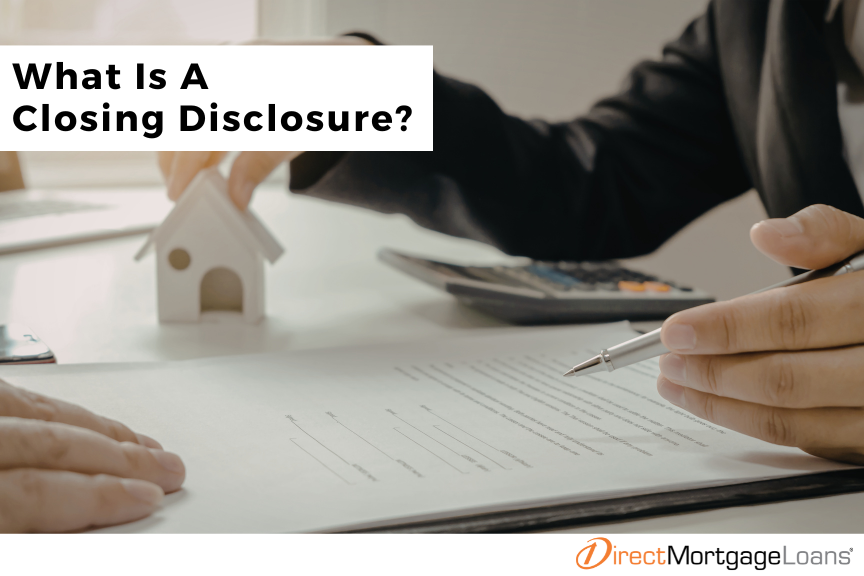
If you’re buying a home and your mortgage lender just sent over your closing disclosure, you’re officially in the home stretch of the mortgage process. This document can look overwhelming at first glance, but it’s really a clear breakdown of your loan details, closing costs, monthly payment, and the exact amount you’ll need to bring to closing. Federal law requires lenders to send it at least three business days before closing, giving you time to review everything and make sure it aligns with your expectations.
In this guide, we’ll explain what the closing disclosure is and why it matters. You’ll learn what’s included, how the 3-Day Rule works, what to check before signing, and what happens afterward. The goal is to provide clarity so you can better understand the process as you approach closing day.
Subscribe to our blog to receive notifications of posts that interest you!
What is in the closing disclosure?
The closing disclosure is divided into several key sections, each designed to clearly explain a different part of your mortgage.
Mortgage Loan Terms
This part of the closing disclosure statement explains the terms details of your mortgage loan agreement. This section outlines what you’ll pay and the duration of your mortgage in clear detail The section typically includes:
- Mortgage Loan Amount: The total you’re borrowing after subtracting your down payment and adding any fees rolled into the loan. If this number is higher than expected, check with your lender for clarification.
- Mortgage Interest Rate: The percentage charged annually for borrowing money. This rate determines the interest portion of your monthly payment and should match what you locked in earlier.
- Monthly Principal and Interest: Shows the amount applied toward your loan balance and interest each month. Other costs like insurance or escrow aren’t included here.
- Prepayment Penalty: Some lenders charge a fee if you pay off your loan early. If your loan includes this, it will be listed here.
- Balloon Payment: A large, one-time payment due at the end of certain loans. These loans often have lower monthly payments upfront but can be risky because of the big final payment.
Projected Payments
This part of your closing disclosure shows how your mortgage payments are structured and how they might change over time. It’s designed to give you a clear view of what you’ll owe month by month and year by year.
- Payment Breakdown: Your monthly payment includes principal and interest, plus mortgage insurance (if you need it) and an estimated escrow for property taxes and homeowners’ insurance. If you have an adjustable-rate mortgage, this section will also show the highest possible payment based on rate limits.
- Estimated Total Monthly Payment: This is the full amount you’ll pay each month, combining principal, interest, insurance, and escrow.
- Taxes, Insurance, and HOA Fees: If you decide not to escrow these costs, they’ll be listed separately here so you know what to budget for.
Closing Cost Details
This section outlines the total amount you’ll need to bring to closing. It includes your down payment and closing costs, which typically range from 2% to 5% of the property’s purchase price. Each expense is itemized to give you a transparent view of where your money is going.
Mortgage Loan Costs
This section of your closing disclosure outlines all the expenses tied to securing your mortgage.
- Origination Fee: A fee, calculated as a small percentage of the loan amount, charged by a mortgage lender for processing the work associated with your loan.
- Mortgage Points: Mortgage points, or discount points, are optional fees paid to your lender to secure a lower interest rate, helping you reduce your monthly payments, and the total interest paid overtime. Each point typically costs 1% of the total loan amount and is an optional way to “buy down your rate”.
- Application Fee: This fee is what the mortgage lender charges to handle your application. The amount varies depending on the lender.
- Underwriting Fee: Underwriting involves a detailed review of your finances to assess lending risk. The cost for this service is included in your loan costs.
Other Costs and Fees
Beyond loan fees, there are additional expenses to consider:
- Taxes & Government Fees: Includes recording fees for your deed and mortgage, transfer taxes, and local/state taxes.
- Prepaids: Funds set aside for items paid in advance, like homeowners’ insurance, mortgage insurance, property taxes, or prepaid interest.
- Initial Escrow Deposit: Your first contribution to escrow for taxes and insurance.
- Miscellaneous Costs: Could include HOA dues, home inspection fees, home warranty, agent commissions, and title insurance.
Funds to Close (FTC)
The cash to close breakdown shows exactly how much money you will need to bring to the closing table after factoring in your loan amount and all the costs tied to the transaction. This is one of the most important numbers to review because it tells you what you need to be prepared for financially on closing day. Knowing this amount ahead of time helps prevent last minute surprises and makes the final step of the process feel a lot smoother.
Loan Disclosures
Loan disclosures may also include extra details to help round out the full picture of your mortgage. You will usually see the lender’s contact information, a breakdown of your estimated monthly costs, and how escrow is set up for things like taxes and insurance. This section provides guidance on whom to contact for assistance and outlines the structure of your ongoing payments after closing.
What is the purpose of the closing disclosure?
The purpose of the closing disclosure is to ensure transparency and compliance with TRID regulations by clearly outlining the final loan terms, interest rate, monthly payment, and a detailed breakdown of closing costs. It allows borrowers to compare these figures with the initial loan estimate and ask questions before signing, reducing errors and increasing consumer confidence.
Closing Disclosure 3 Day Rule
The Consumer Financial Protection Bureau (CFPB) requires lenders to provide your closing disclosure at least three business days before closing. This rule is designed to give you time to review the details of your mortgage before signing.
The three-day period only resets for significant changes; such as a major adjustment to your APR, a switch in loan type, or the addition of a prepayment penalty.
Think of this as a built-in pause. It’s your opportunity to go through the numbers carefully, ask questions, and make sure everything aligns with your expectations. This step helps prevent last-minute surprises and gives you space to feel confident about one of the biggest financial decisions you’ll make.
What to Review on Your Closing Disclosure Before Signing
When you look over your closing disclosure, make sure the loan amount is what you expected and that your interest rate matches the one you locked in. Check that your monthly payment looks right and includes principal, interest, taxes, and insurance. Compare your closing costs to your original loan estimate and look at the cash to close, so you know exactly what you need for closing day. Review the prepaid items and escrow setup for taxes and insurance and confirm that any seller or lender credits you were promised are listed. This quick review helps ensure everything is correct before you sign.
Key items to check:
- Loan amount – Is it the number you were expecting?
- Interest rate – Make sure it matches the rate you locked in.
- Monthly payment – Principal, interest, taxes, insurance—the whole package.
- Closing costs – Compare them to your original Loan Estimate.
- Cash to close – What you’ll actually need to bring to the closing table.
- Prepaids & escrows – Taxes, insurance, and that escrow setup.
- Seller or lender credits – Make sure they actually show up.
If anything doesn’t look right, speak up right away. This is the ideal time to get questions answered and make sure everything is accurate.
What happens if the closing disclosure is incorrect?
If something on your closing disclosure doesn’t look right, don’t ignore it, address it immediately. Start by notifying your mortgage lender as soon as you spot the issue. From there, determine whether the error is minor or significant. Small corrections, like typos or slight fee adjustments, typically won’t delay closing. However, major changes such as a revised APR, a different loan product, or the addition of a prepayment penalty; can restart the three-business-day review period.
Here’s what to do:
- Contact your mortgage lender right away.
- Clarify whether the issue is material or minor.
- Request a revised closing disclosure.
- Be prepared for delays only if major changes occur.
Taking these steps ensures your final numbers are accurate and helps avoid surprises at the closing table.
What happens after you sign the closing disclosure?
Signing the closing disclosure confirms that you’ve received it, not that everything is final. Think of this step as seeing the finish line come into view. After signing, the mortgage lender completes any remaining conditions; the title company prepares the final closing documents, and all parties verify that the numbers match. While you’re not officially clear to close yet, you’re just about there.
Closing Disclosure FAQ’s
Who sends the closing disclosure?
Your lender is responsible for sending out the closing disclosure, most often through email or a secure online portal. A copy is also sent to the title company, so they can verify that all figures align and ensure everything is accurate for closing.
Who is responsible for reviewing the closing disclosure before closing?
You, your loan officer, and the title company all review it. But ultimately, you are the final stop. Don’t hesitate to ask questions if anything seems unclear.
Can you be denied after closing disclosure?
It’s rare, but yes, it can happen if something major changes, such as a drop in income, new debt, or a major hit to your credit. If your financial profile stays the same, you’re in good shape.
Who receives a copy of the closing disclosure?
You, your lender, and the title or closing agent will each receive a copy of the closing disclosure. In most cases, your real estate agent will also get a version, but any sensitive personal details are typically hidden unless you give permission to share them. This ensures your privacy while keeping everyone involved informed.
Are you clear to close after signing a closure agreement?
Not immediately. Signing the closing disclosure starts the mandatory three-day waiting period, but you’re only officially “Clear to Close” once underwriting gives final approval.







Leave A Comment
You must be logged in to post a comment.